
Every summer we face the problem of finding the right fit between tanning and making our skin safe during exposure to the Sun, even in the water. Therefore, every summer we have to choose the right sunscreen for our skin suited to the place in the world where we will be vacationing.
First of all, what does it really mean to protect ourselves from the Sun? Of all the radiation emitted by the Sun, ultraviolet (UV) radiation is that which has a shorter wavelength than visible and is divided into three categories:
- UVC radiation, which is of no concern because it is absorbed by the ozone layer in the atmosphere, so it does not reach the Earth’s surface;
- UVB radiation, which is 5 percent of the UV radiation that reaches the Earth’s surface, but is also absorbed by the atmosphere. UVB radiation causes the human body to produce melanin, which is responsible for tanning the skin. However, if one is exposed too much to the sun to the point of burning, it can cause an increased risk of developing melanoma, which is skin cancer;
- UVA radiation, which accounts for 95 percent of the radiation that reaches the Earth and has a much more penetrating action, so much so that it reaches the connective tissue. UVA radiation, so penetrating, is responsible for skin aging and wrinkling even in young people, especially increasing the risk of dermatitis and even skin cancer if one is exposed to the Sun for long periods.
In order to safely take in the Sun, it is necessary to filter out its dangerous radiation. Sun filters are, therefore, molecules that absorb and break down solar radiation of which they retain the energy to release it as heat.
As early as 1928, the first sunscreens capable of shielding the skin from UVB rays were marketed, while UVA protections were supplemented later. Today’s sunscreens chemically are a combination of both inorganic and organic substances.
Specifically, the inorganic substances used in sunscreens are basically titanium dioxide and zinc oxide, which, in addition to serving as a physical and reflective barrier to UV light, absorb and disperse it harmlessly. Zinc oxide and titanium oxide are the ingredients that imply the white effect on the skin because they reflect visible light along with UV radiation. To these two substances are added some organic ones whose chemical bonds absorb photons of UV light that is dissipated in a nonthreatening way as heat. The absorption of different wavelengths depends on the variation in the structures of the organic substances used, so a mixture is used to provide protection against all UVA and UVB wavelengths.
The organic substances that most frequently make up sunscreens are benzophenone, octocrylene, and octinoxate.
Benzophenone, like all sunscreens, is absorbed harmlessly by the skin; however, it is a debated ingredient both because it appears to alter hormone balance over the long term and because it has a bleaching action on corals.
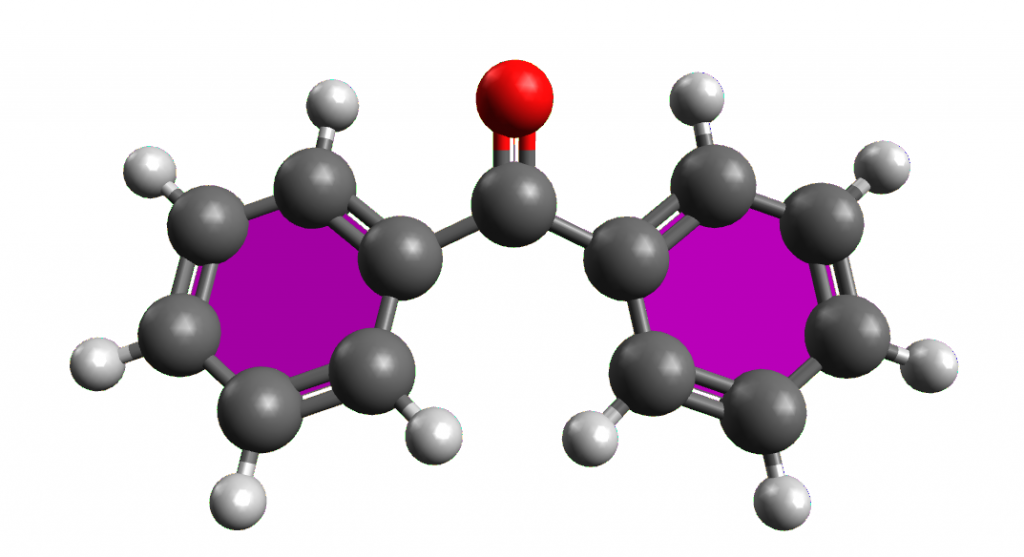
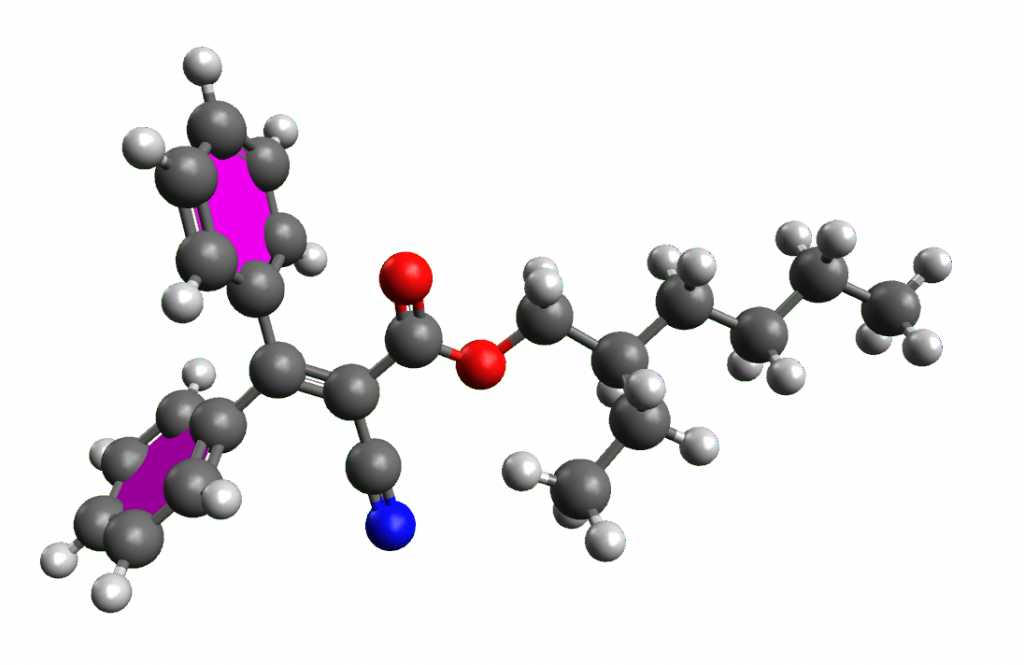
Octocrylene is a hypo-allergenic molecule that is combined with vitamins A, E and C to prevent any increase in free radicals over time. This substance also has bleaching and even deadly effects on coral reefs.
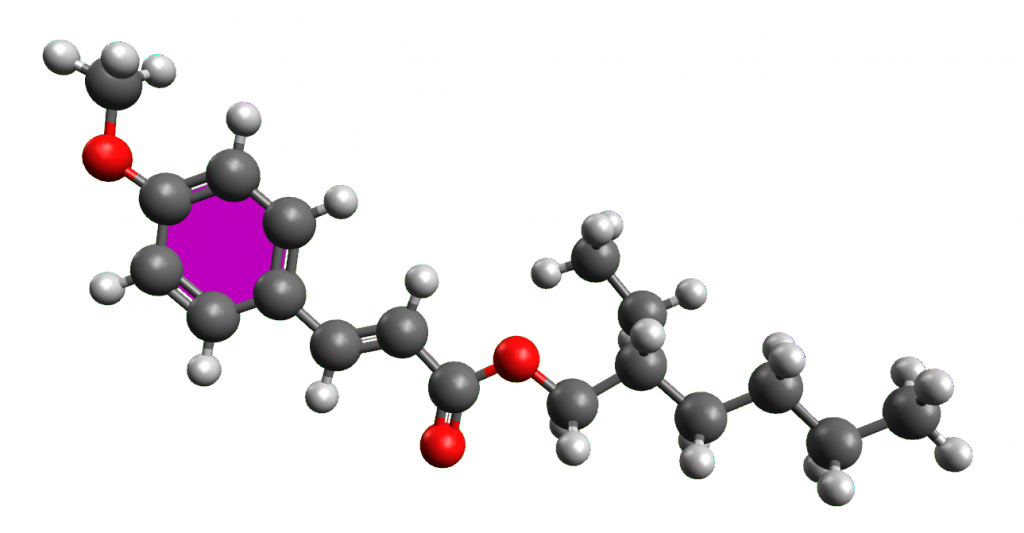
Octinoxate is mainly responsible for filtering UVB rays and is a molecule that is safe for humans but harmful to fish.
For the filter to be effective, sunscreens need to be reapplied from time to time both because not all the organic substances present are photostable, that is, they do not decompose or decompose slowly when exposed to light, and because, although they are “water resistant” as is often written on the packaging, they in fact slowly get washed out by bathing in the sea or pool and no longer filter radiation.
The key figure written on sunscreen packages, however, are the numbers for protection. What do they mean? They are the minutes of sun exposure that correspond to 1 minute without protection. So the 50 indication means that after 50 minutes in the sun, the protection should be reapplied, the 30 after half an hour, and so on.
In fact, the choice of sunscreen depends on the type of skin to be protected: the lighter and more delicate the skin, such as children’s skin, the higher the protection needs to be and the more times it needs to be reapplied throughout the day.
ACTIVITY: learn more into what the characteristics of a sustainable and ocean friendly sunscreen should be.